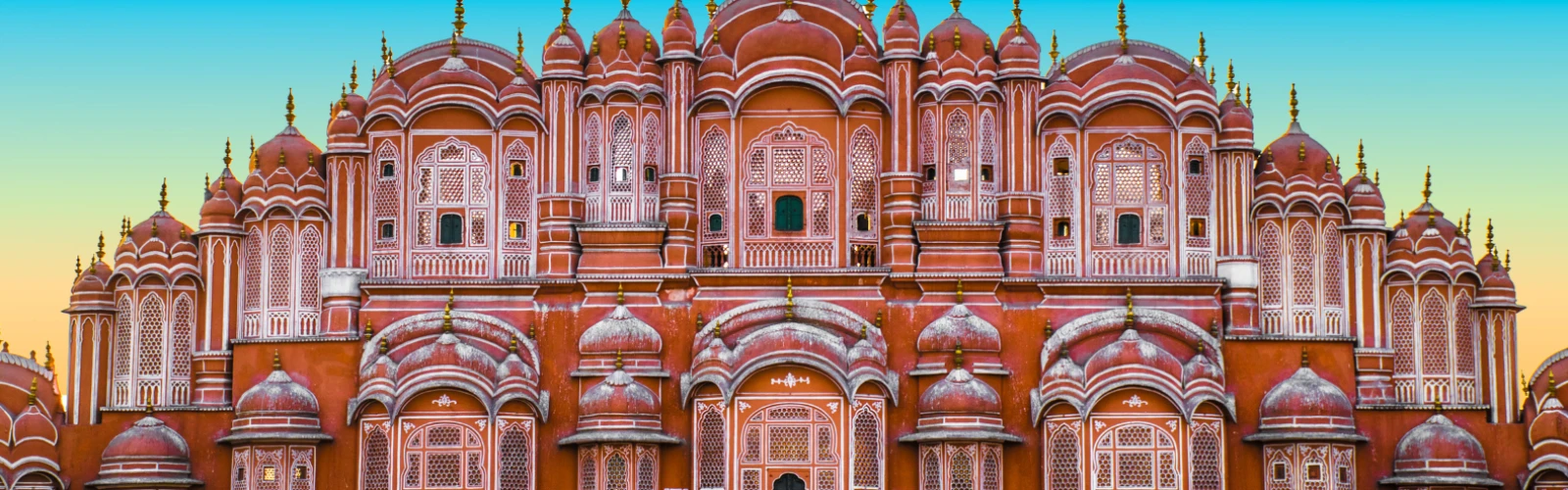
Discover Jaipur: The Ultimate Travel Guide to India’s Pink City

Introduction
Jaipur, the capital of Rajasthan, is a magnificent blend of ancient tradition and modern vibrancy. Known globally as “The Pink City”, Jaipur is a destination that dazzles every traveler with its palaces, colorful streets, rich cuisine, and royal past. Founded in 1727 by Maharaja Sawai Jai Singh II, the city was meticulously planned with broad avenues, bustling bazaars, and majestic structures reflecting Rajput grandeur.
As part of India’s “Golden Triangle” (along with Delhi and Agra), Jaipur is not just a city—it’s an experience steeped in color, culture, and charisma. Whether you’re chasing history, luxury, or adventure, this Jaipur travel guide will take you through everything you need to know to make your trip unforgettable.
Understanding Jaipur’s Unique History and Why It’s Called the “Pink City”
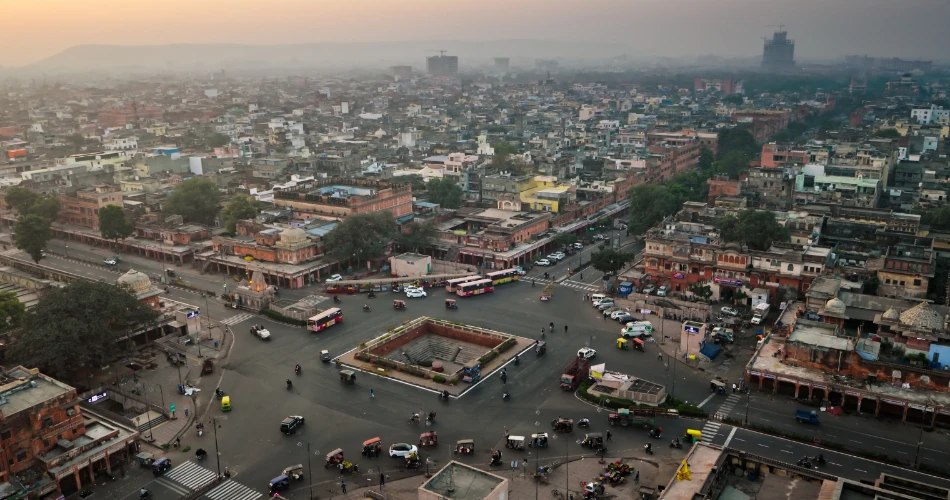
Jaipur stands as one of India’s first planned cities, designed following the principles of Vastu Shastra. The founder, Maharaja Sawai Jai Singh II, envisioned a city that symbolized both cultural harmony and architectural brilliance. The city’s unique grid pattern, symmetrical streets, and fortified walls reflect its intelligent planning.
The name “Pink City” emerged in 1876 when the city was painted pink to welcome the Prince of Wales. Pink symbolizes hospitality, and this tradition continues today—giving Jaipur its timeless rosy glow. Walking through its narrow alleys and historic gates, visitors witness the continuity of a design and color scheme that has stood unaltered for centuries.
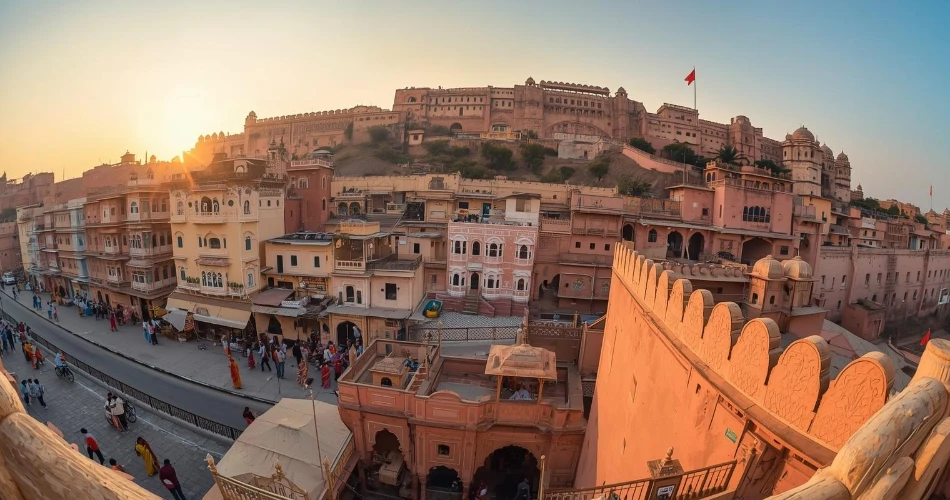
The historic old city still houses age-old shops, ancient temples, and traditional havelis, offering a sensory journey into Jaipur’s royal legacy.
Best Time to Visit Jaipur and How to Reach the Pink City Easily
The best time to visit Jaipur is between October and March, when the weather is pleasant, skies are clear, and sightseeing is enjoyable. Winters are ideal for outdoor explorations, while evenings offer cool, breezy walks through bazaars and forts. Summers (April–June) can be hot, making early mornings preferable for travel and sightseeing.
Getting There:
-
By Air: Jaipur International Airport connects to major Indian cities and a few international destinations.
-
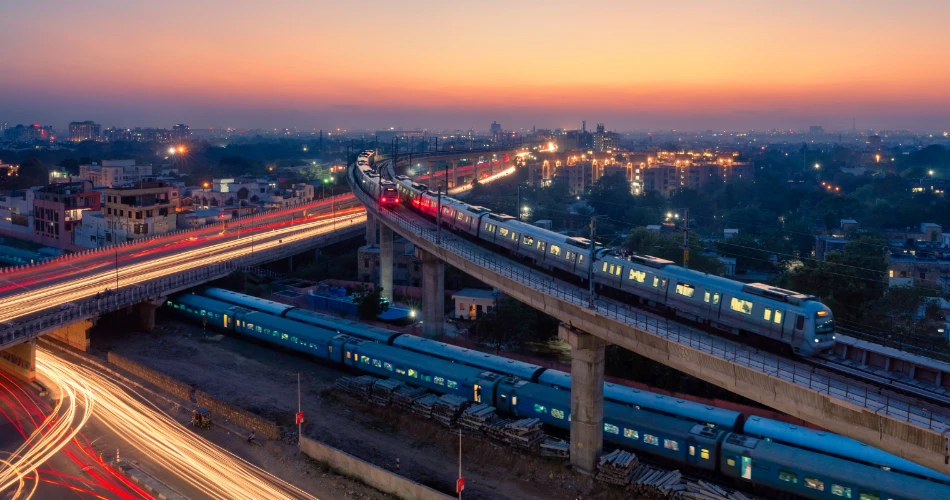
By Train: The Jaipur Junction Railway Station has excellent connectivity with Delhi, Mumbai, and other cities.
-
By Road: Jaipur is approximately 280 km from Delhi—a 4 to 5-hour drive via the Delhi-Jaipur Expressway.
Once in the city, auto-rickshaws, app-based cabs, and local buses make commuting easy. Hiring a private driver for a day’s exploration is also popular among tourists.
Must-See Architectural Marvels: Exploring Forts, Palaces, and Observatories
Jaipur is an open-air museum of Rajput architecture and royal magnificence. Every monument here tells a story of power, artistry, and innovation.
-
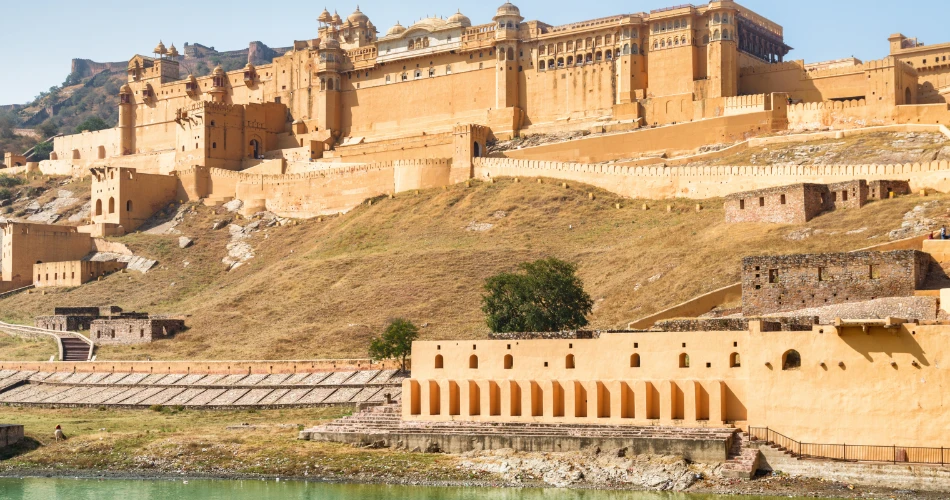
Amber Fort: Set atop a hill overlooking Maota Lake, Amber Fort is a mesmerizing mix of Hindu and Mughal architecture. Its Sheesh Mahal (Mirror Palace) and sprawling courtyards are must-sees.
-
City Palace: The royal family’s residence and museum, City Palace showcases regal artifacts, weaponry, and costumes. Its Peacock Gate is a photographer’s delight.
-
Hawa Mahal (Palace of Winds): This five-story pink sandstone structure allowed royal women to watch city parades unseen. Its honeycomb design is Jaipur’s most iconic image.
-
Jantar Mantar: A UNESCO World Heritage Site, this observatory houses the world’s largest stone sundial and displays India’s scientific genius from centuries past.
Visiting these monuments early in the morning ensures fewer crowds and better lighting for photography.
Immersing Yourself in Jaipur’s Local Culture, Markets, and Handicrafts
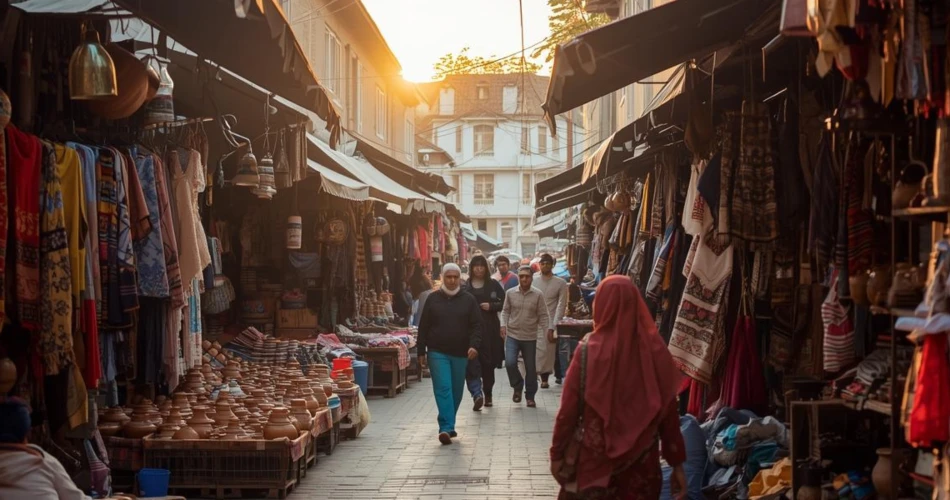
The soul of Jaipur lies in its streets and markets, where tradition meets artistry. The old bazaars are a treasure trove of local crafts—each lane dedicated to a different art form.
Must-Visit Markets:
-
Johari Bazaar: Famous for gemstones, jewelry, and traditional ornaments.
-
Bapu Bazaar: Ideal for textiles, mojari (leather footwear), and souvenirs.
-
Tripolia Bazaar: Known for lac bangles, brassware, and traditional utensils.
Beyond shopping, Jaipur’s artisans specialize in block printing, blue pottery, leather crafts, and miniature paintings—each reflecting centuries of craftsmanship.
Exploring these bazaars isn’t just about buying—it’s about experiencing the hum of local trade, tasting street snacks, and engaging with friendly artisans eager to share their heritage.
Where to Stay, Eat, and Experience the Royal Lifestyle in Jaipur
Jaipur offers accommodation for every traveler—from opulent heritage palaces to cozy homestays.
Luxury Stays: Rambagh Palace, Samode Haveli, and Fairmont Jaipur are among the city’s most elegant stays, offering royal architecture and lavish hospitality.
Mid-Range & Boutique Hotels: Alsisar Haveli and Pearl Palace Heritage offer comfort with cultural flair.
Budget Stays: Backpacker hostels and guesthouses in the old city provide authentic local experiences.
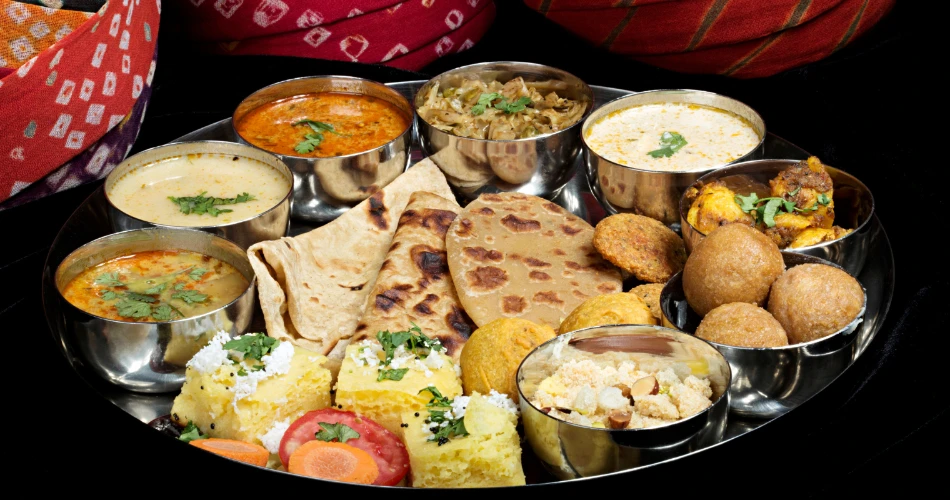
For dining, don’t miss Rajasthani thalis, laal maas (spicy mutton curry), ker sangri, and dal baati churma. Rooftop restaurants near the City Palace offer mesmerizing night views.
Jaipur’s food scene beautifully merges royal cuisine with local flavors—making every meal an experience.
Practical Travel Tips and Local Etiquette for a Hassle-Free Jaipur Trip
To make your Jaipur journey smooth and culturally respectful, keep these practical tips in mind:
-
Dress Modestly: Lightweight, full-coverage clothing is recommended for comfort and respect in religious places.
-
Stay Hydrated: Carry water bottles, especially in summer.
-
Bargain Politely: Negotiation is expected in markets but always keep it courteous.
-
Use Official Transport: Opt for app-based rides or pre-paid taxis to avoid overcharging.
-
Respect Local Customs: Remove shoes at temples and ask before photographing locals.
-
Carry Cash: Smaller shops and rickshaws may not accept cards or UPI.
Jaipur’s residents are welcoming and helpful. A friendly smile, a polite “Namaste,” and cultural awareness go a long way.
Day Trips and Excursions from Jaipur: Explore Beyond the City Walls
Jaipur is a gateway to many fascinating day-trip destinations that showcase Rajasthan’s diversity.
Top Day Trips:
-
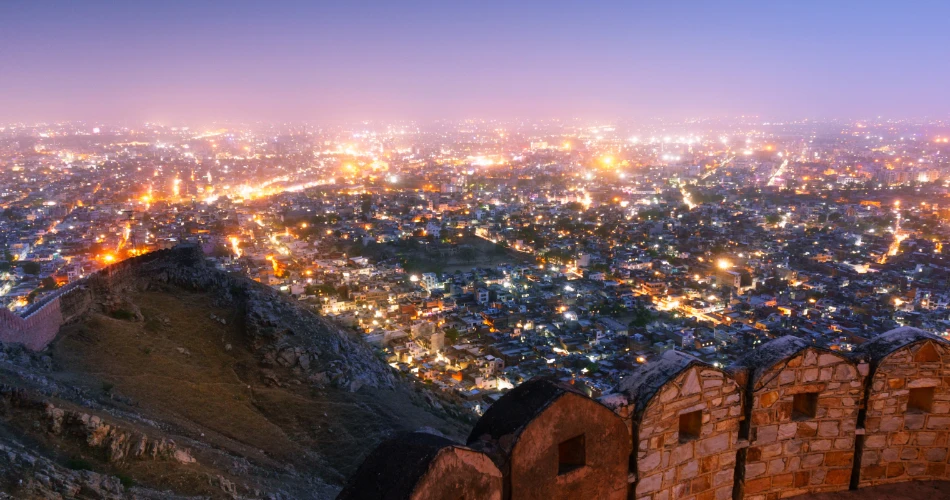
Nahargarh Fort: Perfect for sunset views of the entire city.
-
Sanganer: Renowned for traditional block-printing workshops.
-
Samode Village: A charming detour showcasing rural Rajasthani life and haveli architecture.
-
Chand Baori (Abhaneri): One of India’s largest stepwells—an architectural wonder.
Each of these destinations offers a refreshing contrast to Jaipur’s urban energy and lets you witness authentic Rajasthani culture.
Conclusion
Jaipur, India’s “Pink City,” is more than just a destination—it’s a living gallery of heritage, art, and timeless beauty. From its majestic forts and regal palaces to the hum of its bazaars and the warmth of its people, every corner narrates a tale of Rajasthan’s grandeur.
This Jaipur travel guide is your compass to discovering the best the city offers—its past, present, and its unbreakable spirit. Whether you’re wandering through ancient corridors, sampling Rajasthani cuisine, or watching a sunset from a royal fort, Jaipur promises an experience you’ll cherish for life.
So pack your curiosity, charge your camera, and let Jaipur unfold its magic before your eyes.

About Author
Sarah produces creative and informative content based on her travel experience. She keeps her blogs up-to-date with the latest information.