Exploring Amer Fort: The Pride of Jaipur’s Royal Legacy

Exploring Amer Fort: The Pride of Jaipur’s Royal Legacy
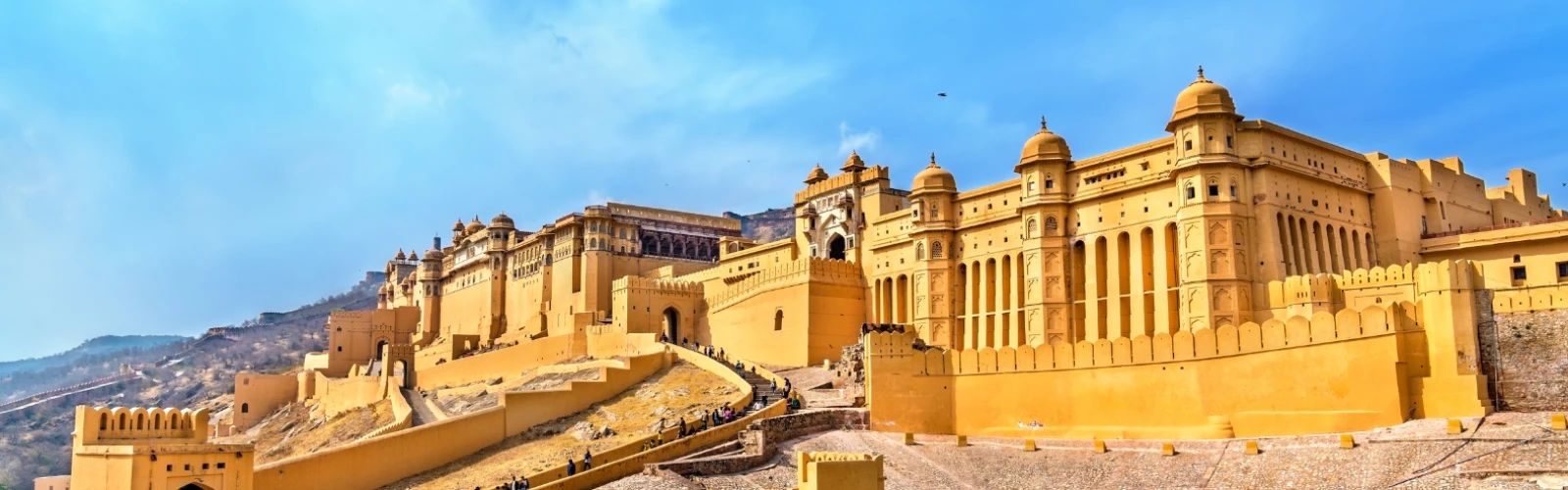
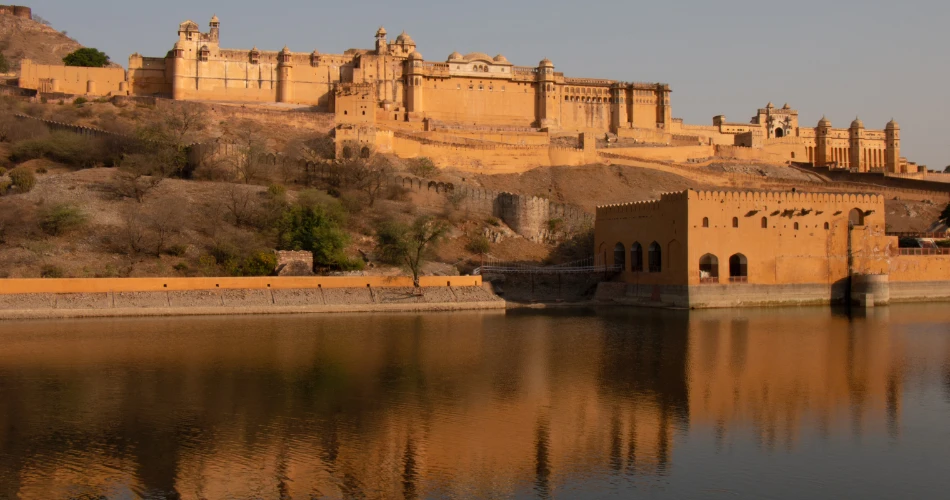
When it comes to Rajasthan’s architectural marvels, Amer Fort (or Amber Fort) stands as a breathtaking testament to Jaipur’s royal past. Perched atop the rugged Aravalli Hills and overlooking the tranquil Maota Lake, this 16th-century fort is more than just a monument — it’s a living canvas of art, culture, and power. Once the residence of the Rajput Maharajas, Amer Fort perfectly combines Mughal artistry with Rajput valor, making it a must-visit destination in Jaipur.
Visitors are enchanted by its sprawling courtyards, grand gateways, intricate mirror work, and panoramic views of Jaipur’s pink landscape. This guide takes you through the history, architecture, and beauty of Amer Fort, ensuring you don’t miss a single royal detail.
The Glorious History of Amer Fort: Tracing Centuries of Rajput Grandeur
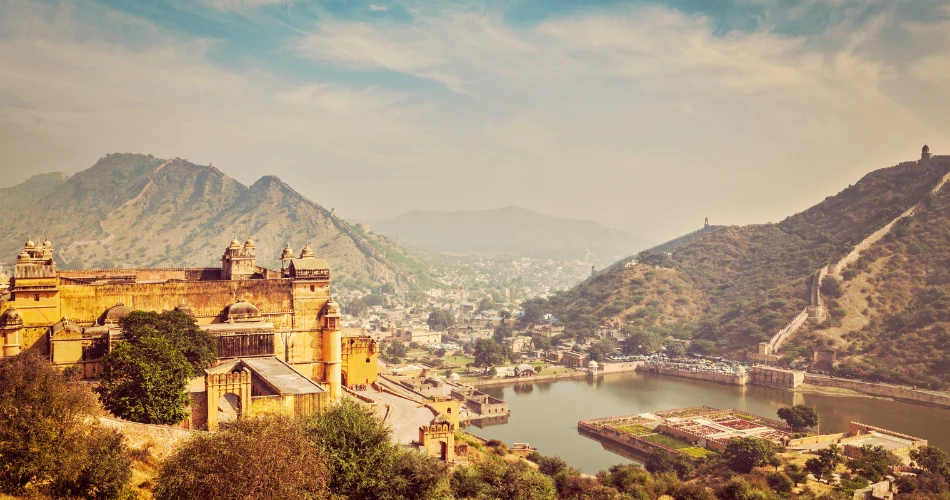
Built by Raja Man Singh I in the late 16th century, Amer Fort was the seat of the Kachwaha Rajputs long before Jaipur city was founded. It was later expanded by successive rulers, especially Raja Jai Singh I, who infused Mughal architectural influences while preserving Rajput traditions.
The fort’s name “Amber” derives from “Ambikeshwar,” another name for Lord Shiva, worshipped in the region. Over the centuries, Amer Fort became a symbol of royal might, witnessing countless political alliances and royal ceremonies. Its strategic location atop the Aravalli hills provided a defensive advantage while also offering a majestic view of the surrounding valleys.
Today, Amer Fort is part of the UNESCO World Heritage Site “Hill Forts of Rajasthan,” standing as a preserved gem of Rajputana legacy that continues to attract millions of visitors from around the world.
Architectural Brilliance of Amer Fort: A Fusion of Rajput and Mughal Styles
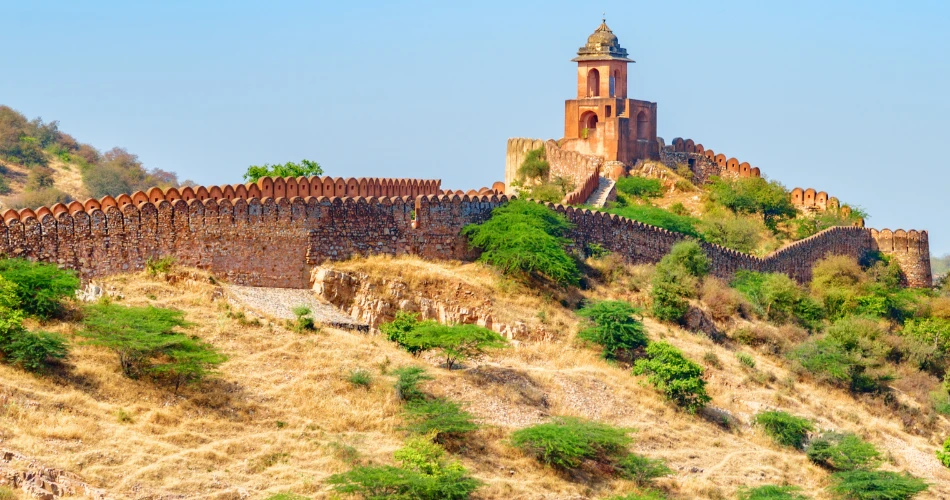
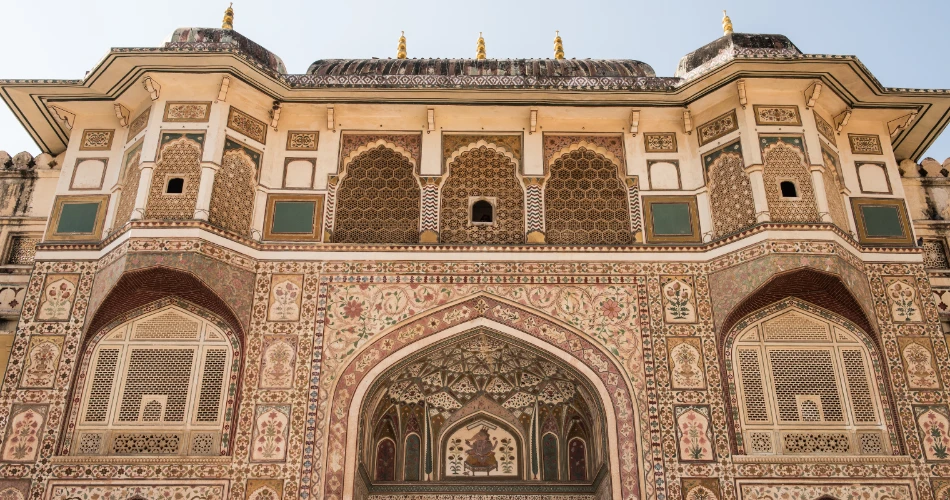
Amer Fort’s beauty lies in its blend of Hindu Rajput and Mughal architecture. The fort’s massive sandstone and marble structure houses intricately designed palaces, courtyards, and temples. Each section — from the Diwan-e-Aam (Hall of Public Audience) to the Diwan-e-Khas (Hall of Private Audience) — displays stunning carvings and latticework.
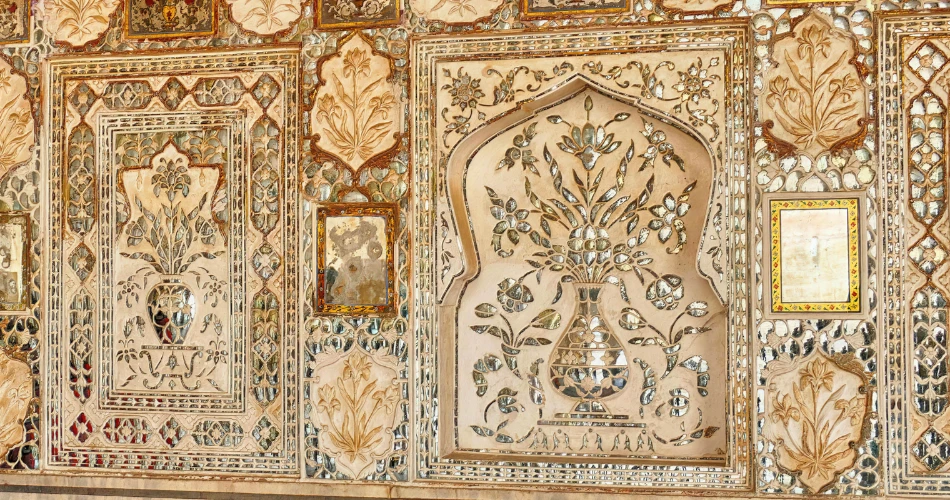
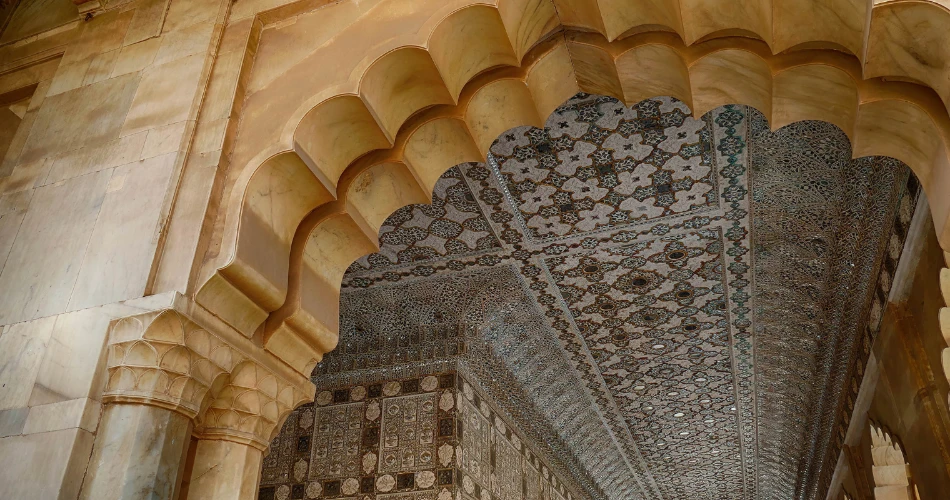
The highlight of the fort is the Sheesh Mahal (Mirror Palace), a hall adorned with thousands of tiny mirrors that sparkle when illuminated. The fort’s walls feature detailed frescoes depicting mythological themes and floral motifs, showcasing the artisanship of a bygone era.
Amer Fort is divided into four main courtyards, each serving a specific royal function — from administrative duties to private royal gatherings. This harmony between defense and elegance makes Amer Fort a masterpiece of medieval Indian design.
The Majestic Entryways and Courtyards That Define Amer Fort’s Royal Welcome
Your journey into Amer Fort begins through Suraj Pol (Sun Gate), which faces the east and welcomes visitors with a majestic rise of the morning sun. This gate leads into the Jaleb Chowk, the first main courtyard where soldiers once assembled before parades and royal processions.
From there, an elegant staircase takes you to Ganesh Pol, a gateway adorned with exquisite frescoes and an image of Lord Ganesha, believed to bring good fortune. Beyond this lies the second courtyard, home to the Diwan-e-Aam, where kings addressed the public and resolved administrative matters.
Each courtyard at Amer Fort narrates a story — from royal ceremonies to battles and celebrations. The symmetry, grandeur, and attention to detail at every corner create an immersive experience that transports visitors to a royal era.
The Enchanting Sheesh Mahal and Sukh Niwas: The Crown Jewels of Amer Fort
No trip to Amer Fort is complete without exploring its Sheesh Mahal (Mirror Palace) — a masterpiece of art where thousands of convex mirrors are embedded into marble walls. When candlelight reflects off the mirrors, the entire hall glows as if lit by a thousand stars. This magical spectacle was once used by queens to enjoy moonlit illusions indoors.
Adjacent to the Sheesh Mahal lies Sukh Niwas (Hall of Pleasure), an architectural marvel with an ancient air-conditioning system. Cool air was circulated using water channels beneath marble floors — a remarkable engineering feat for its time. These chambers were designed to provide royal comfort during Rajasthan’s scorching summers.
Together, Sheesh Mahal and Sukh Niwas exemplify the luxurious lifestyle and innovative brilliance of the Rajput rulers.
Cultural Significance and Festivals That Keep Amer Fort Alive Today
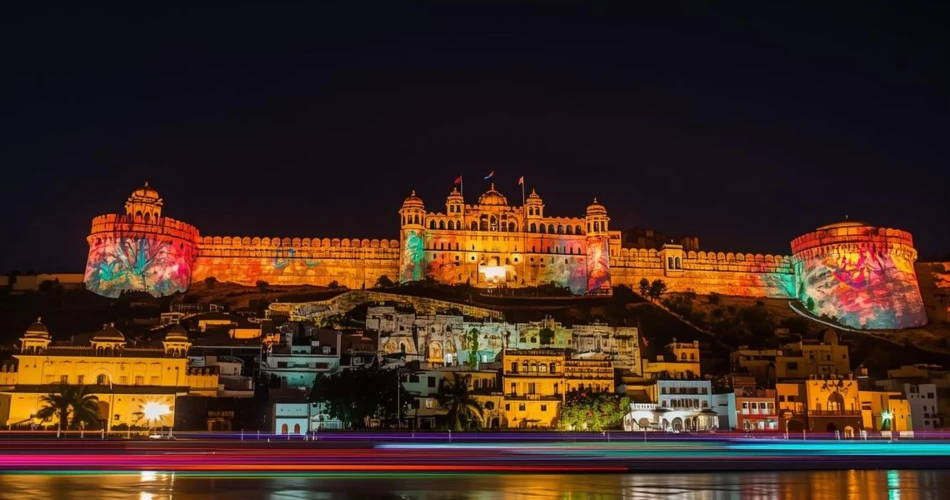
Amer Fort is not just an ancient monument; it remains a living symbol of Rajasthan’s culture. The fort hosts numerous festivals and events throughout the year, such as Jaipur Literature Festival’s cultural tours, Light and Sound Shows, and traditional dance performances in the courtyards.
The Evening Light and Sound Show, narrated by Bollywood legend Amitabh Bachchan, vividly recounts the fort’s history, bringing its past to life against the illuminated ramparts. During Diwali and other festive occasions, Amer Fort glows in vibrant hues, turning it into a magical spectacle of lights and music.
Such cultural activities preserve and celebrate Amer Fort’s heritage, ensuring that its legacy continues to inspire new generations.
Practical Travel Guide: How to Visit and Explore Amer Fort Efficiently
Amer Fort is located about 11 kilometers from Jaipur city center, easily accessible by taxi, auto-rickshaw, or local bus. The fort opens from 8:00 AM to 5:30 PM, and an additional evening visit for the Light and Sound Show is highly recommended.
Visitors can either walk up the ramp, take a jeep ride, or experience the traditional elephant ride to the main entrance (though ethical tourism suggests avoiding animal rides). Inside, hiring a licensed guide or audio tour enhances the experience as they narrate historical anecdotes and hidden tales.
The fort’s entry fee is affordable, and combo tickets often include other Jaipur attractions like Jaigarh Fort and Nahargarh Fort, making it a perfect full-day itinerary for history enthusiasts.
Amer Fort and Beyond: Exploring Nearby Attractions for a Complete Jaipur Experience
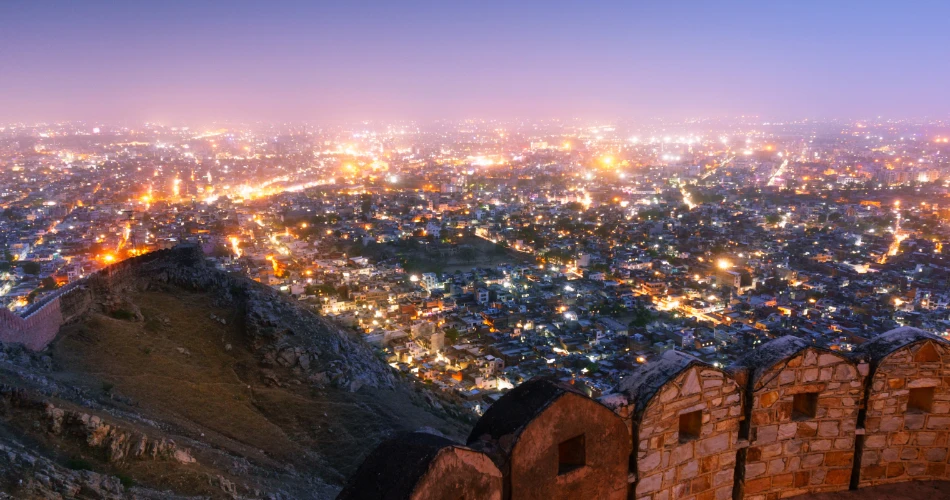
The charm of Amer extends beyond its fort walls. Just a short distance away lies the Jaigarh Fort, housing one of the world’s largest cannons — Jaivana. Another nearby gem, the Nahargarh Fort, offers sunset views over the Pink City that are simply breathtaking.
At the base of Amer Fort, the Maota Lake adds to its beauty, while the Anokhi Museum of Hand Printing nearby celebrates Rajasthan’s textile artistry. For those seeking spirituality, the Shila Devi Temple within the fort premises is an important site of worship.
Exploring these nearby attractions completes your journey through Jaipur’s royal triangle, giving you a holistic experience of Rajasthan’s glorious heritage.
Conclusion: Amer Fort — A Timeless Symbol of Jaipur’s Royal Spirit
Amer Fort is more than just a monument; it’s a story carved in stone — of valor, romance, art, and power. Its grand walls whisper the tales of Rajput kings, while its mirrored halls continue to shine with royal charm. Visiting Amer Fort isn’t just sightseeing; it’s stepping into the soul of Jaipur’s royal legacy.
Whether you’re an art lover, a history enthusiast, or a traveler chasing timeless beauty, Amer Fort promises an unforgettable journey through Rajasthan’s glorious past — one that still echoes proudly across its golden walls.

About Author
Amelia has a great eye for photography. She has traveled to over 30 countries and has produced great videography and photos, along with penning them down with her writing skills. She has also worked with many top travel photographers.